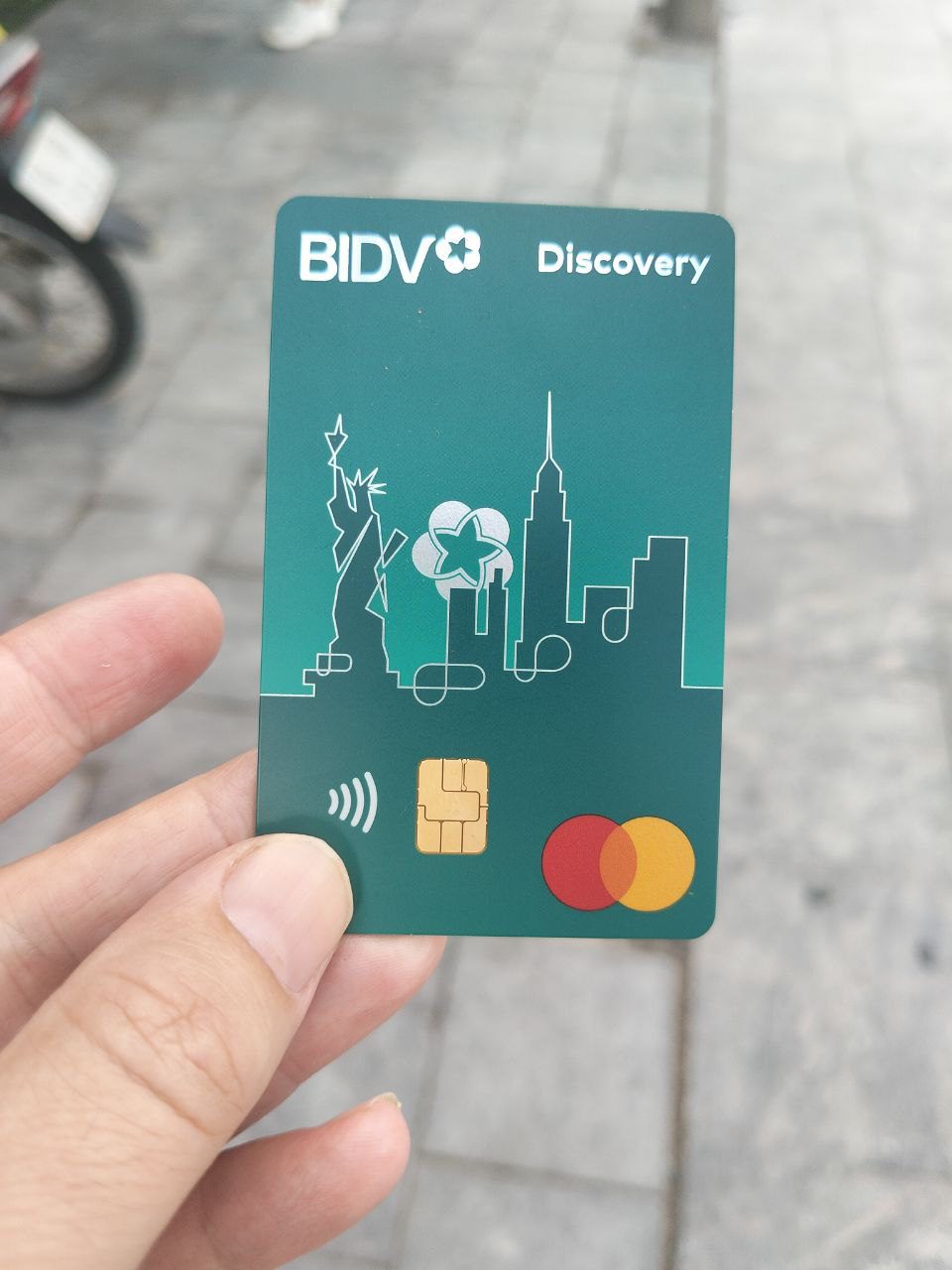
Briefly: As of January 5, 2026 (Circular 45/2025/TT-NHNN), the 12-month stay requirement has been lifted. A debit card can be obtained with a standard e-visa; the card's validity is the same as the visa's. Visit a large Vietcombank branch (backup options include BIDV and Agribank) with your passport, visa, local SIM card, and proof of address. Request a Visa/Mastercard, not a NAPAS card, and submit your biometrics during the same visit.
Disadvantage: You can only top up your card by transfer from another Vietnamese account or SWIFT—cash and foreign cards are not available.
Debit card in Vietnam Without TRC: What's Really Changed and Where to Go
Why do you even need a local card? The answer is simpler than it seems. Withdraw cash without exorbitant fees. Buy plane tickets without the hassle of foreign cards. Pay for rent by bank transfer instead of carrying cash in an envelope. Connect to Vietnamese apps and services. A card isn't a status symbol, it's simply a convenience that many people deprive themselves of, unaware it's now available.
For a long time, getting a bank card in Vietnam seemed like an impossible quest: without a TRC (residence permit) or a long-term work visa, banks simply wouldn't talk to foreigners. Because of this, many still habitually believe that getting a card is impossible or that the only way out is to find "fixers" and overpay for their help. But since the beginning of 2026, the rules of the game have officially changed, and now the coveted "plastic" is available even to ordinary winter residents with a simple e-visa.
True, the magic won't happen automatically with a click of a phone. You'll still have to put in the work: get off the couch, grab a Vietnamese friend, show up to the branch, and politely but confidently show the bank employees their new law.
What is the change?
Circular 45/2025/TT-NHNN came into effect on January 5, 2026. It officially abolished the old requirement that foreigners needed to have a minimum 12-month residence status in the country to receive a debit card. Now the logic is extremely simple: your card's validity is simply limited to the duration of your current visa. Open an account, receive a card—it's valid as long as you're legally in the country. Extend your visa or take a visa run—simply visit the bank, update your details, and continue using the same card. You might not even need to visit the bank (see point 9 below).
An important point that many people miss: an account and a card are two different steps. Some banks are happy to open an account for a foreigner, but then refuse to issue a card. Therefore, from the very beginning, say specifically: "I want to open an account and get a Visa or MasterCard debit card." Not just "open an account"—specifically, a card.
Where to go first
| Bank | Chance without TRC | Why | ||||
|---|---|---|---|---|---|---|
| Vietcombank | ⭐⭐⭐ High | There are new cases, and the new rules are already in effect. | ||||
| BIDV | ⭐⭐ Average | There are cases, but the practice is uneven across branches | ||||
| Agribank | ⭐ Low | There are cases even without a visa, it's worth trying if the first two didn't work. letfind.me But there are cases where even under the TRC they did not issue a visa without 5 years of residence. | ||||
| It all depends on the city and branch. | Techcombank | ⭐ Unpredictable | The product exists, but there is no public confirmation under the new rules. techcombank | shinhan | ⭐ Low | The website still requires 12 months of residence. Shinhan |
If you're looking for the most practical and proven route, go straight to Vietcombank . They currently have the most successful cases of issuing cards to foreigners without a TRC. BIDV is a good second option to consider. Another option that few people know about is Agribank . Based on real-life cases, they sometimes issue cards even before the law came into effect. If Vietcombank and BIDV haven't yielded results, try Agribank. It won't be any worse.
It's best to avoid Techcombank or Shinhan for now unless you're prepared for a lengthy dispute. Their official websites still display the old 12-month residency requirement. They might not refuse your application, but the risk of wasted effort is much higher.
The main pitfall that you need to know about in advance.
You can get a card, but topping it up is proving to be a non-trivial task. Based on recent cases from March 2026, the picture is as follows:
You can't top up your account with cash at an ATM.
It is not possible to deposit cash at the branch cash desk.
Transferring directly from a foreign card is not possible.
Transferring from the same bank account is not possible.
What works:
Transfer from another Vietnamese bank account - works
SWIFT transfer is available (valid for BIDV without TRC)
Cryptocurrency transfers work as a tool for those who use them.
This doesn't render the card useless, but it does change the logic of use. Essentially, a Vietnamese debit card without a TRC is now a spending tool , not a means for receiving money from outside . If you need to receive transfers from abroad, please specify your SWIFT details separately when opening your account.
A step-by-step plan: how to get everything done without going crazy
Gather your documents. You'll only need your passport, a valid visa (a standard e-visa will suffice), a local SIM card, and proof of address (often, simply showing a screenshot of the rental agreement on your phone is enough).
Find a Vietnamese person. This is a key life hack. Take a local friend, neighbor, or even a friendly taxi driver with you. It's easier for a bank employee to turn down a foreigner with the phrase "can't, sir" than to explain the reasons to a fellow Vietnamese.
Dress as if you're going to the office. Leave the shorts and flip-flops at home. Vietnamese banks are conservative, and a neat appearance really impacts how you'll be treated.
Choose a large branch. Paradoxically, before the law came into effect some time ago, it made sense to visit small branches in small towns, hoping the staff wouldn't remember that foreigners couldn't be issued cards. Now, however, go to a large central office in your city. At small regional branches, staff may be completely unaware of the new rules and operate under old practices.
How to respond to a refusal. If the manager immediately declares that "you can't do it without a long-term visa," don't raise your voice or assert your rights. Smile calmly and ask to double-check the current regulations according to Circular 45/2025/TT-NHNN. In Vietnam, politeness and persistence are a hundred times more effective than aggression.
- NAPAS or Visa/Mastercard? Your bank might offer you a NAPAS card—a free local card that works at all Vietnamese ATMs. It sounds good, but there's a problem: it doesn't work abroad or on foreign websites. You won't be able to buy a plane ticket, pay for an Airbnb, or pay for a subscription. So, just say, "I need a Visa or MasterCard." It costs 50–200 VND per year, takes 7–10 days to process, but it works everywhere.
Registration. If everything went smoothly, you fill out the form, pay the card issuance fee of about 50,000 dong (just a couple of dollars), and go home.
Receipt. You can't apply for a card remotely—in-person biometric verification is now required by law. After 7-10 days, return to the branch to pick up your ready-made Visa or MasterCard. Don't delay, do the biometric verification right away. It takes 10-15 minutes right there at the branch. Without biometric verification, online transfers over 10 million dong will be blocked—which is a standard amount for rent. Ask to have biometric verification completed during the same visit you open your account. Your name won't appear on the card—and that's normal. This is standard practice for foreigners without a TRC in Vietnam—and that's how it should be. For online purchases, this card works just like a personalized card.
- Extension. According to user feedback (March 2026): some branches say the card will be renewed automatically when the visa is renewed, without the need for a second visit to the bank. This is in contrast to earlier cases, where an in-person visit to update the details was required. Practices likely vary from bank to bank and branch to branch—be sure to check this when applying.
Regarding cash withdrawal fees: Cash withdrawals from your bank's ATMs (Vietcombank at Vietcombank ATMs, BIDV at BIDV ATMs) are generally free. A fee applies at other bank's ATMs—check when you open your card. It's a small, but welcome, expense.
The main rule: don't give up after the first "no." Because the law has already been updated, but employee habits haven't yet, the situation in two neighboring branches of the same bank can be radically different. If you're turned down at one place, simply breathe a sigh of relief and go to another. The law is on your side; you just need to be a little persistent.
What if you don’t need the card yet or it doesn’t work?
For most everyday purchases in Vietnam, QR code payments through a bank app are sufficient—it's free and works everywhere, from markets to restaurants. For international transfers, many expats use Wise: it offers fair exchange rates and minimal fees. A Vietnamese debit card without a TRC is a convenient tool, but it's not the only one, nor is it required for all scenarios.
This material is current as of March 2026 and is based on real cases and official documents. Banking practices in Vietnam change rapidly, so please check the current terms and conditions at your specific bank branch before visiting.