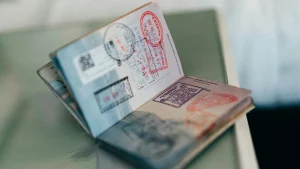
Briefly: visa-free entry for Russians is valid for 45 days, while an e-visa is valid for up to 90 days; e-visas cannot be extended in the country. For a longer stay, you need a work, investor, or family visa with a residence card (TRC)—for more details, see the guide on how to legally live in Vietnam.
Rent a place for a week first and look for a longer-term place on site; they usually pay the first month's rent and a deposit. For transportation around the city, use Grab, Be, or Xanh SM.
🌏 Practical aspects of moving to Vietnam: from visas to housing
Thousands of people move to Vietnam every year, attracted by the warm climate, the sea, the affordable cost of living, and the country's unique rhythm. But moving here involves more than just a ticket and a suitcase; it's a whole host of decisions: documents, housing, budget, transportation, healthcare, and adapting to everyday life. To ensure a smooth transition, it's important to understand how life is organized in the region in advance, rather than relying solely on impressions from tourist trips.
📄 Documents and visa
For short trips, a tourist entry permit is suitable, but for longer stays, a visa or other legal residence status should be considered in advance. Currently, Russians can stay in Vietnam visa-free for up to 45 days, and an e-visa allows for stays of up to 90 days. However, longer stays usually require leaving the country and reapplying for a visa once abroad. ✈️
If you plan to stay long-term, there are two main options: a business visa or a work visa. Both require a well-thought-out plan, as these documents are usually issued for a specific purpose, and the employer in Vietnam must be involved in the process and submit applications to immigration authorities. 🧾
To extend a short stay, many people apply for a visa run to neighboring countries, most commonly Laos or Cambodia. This is a common practice, but it should be viewed as a temporary solution, not a full-fledged replacement for a long-term visa. 🌴
🏙️ Select a city
It's better to choose a city not by its picture, but by its lifestyle. Nha Trang is suitable for those who love the sea and a more relaxed resort rhythm, Ho Chi Minh City is for those who value dynamism, business, and developed infrastructure, and Hanoi is for those who appreciate a historical atmosphere and a cooler climate 🌤️
Da Nang is often chosen by those seeking a balance between the city, beaches, and a tranquil environment. It has distinct seasonal variations, so the climate should be considered in advance: some months are more comfortable, while others are more rainy and foggy. 🌧️
Dalat is perfect for those who love mountains and mild weather, Mui Ne is for those who want peace and quiet, Vung Tau is for those who want a seaside town near Ho Chi Minh City, and Phu Quoc is for those who are ready for island life and seasonality 🏝️
If possible, it's best to visit several cities and spend a few days in each: this way, it's easier to figure out where you're truly comfortable and where you're only comfortable on vacation.
🏠 Housing in Vietnam
The easiest way to find housing is through rental websites, Telegram chats, Facebook groups, and personal recommendations. In practice, local communities and connections often help you find the best options faster than traditional ads. 🤝
Price guidelines depend on the city and the standard of housing: a simple one-bedroom apartment can cost approximately $200 to $500, while villas and houses can cost from $500 to $2000 and up 💵
In the more budget-friendly segment, you can find a studio or small apartment with renovations, while modern complexes with concierge and security will have significantly higher prices. When renting, it's important to check the contract, utilities, security, parking, apartment condition, and pet-friendly policies in advance. 🔍
Typically, you pay the first month's rent, a deposit, and sometimes the last month's rent upon moving in; however, specific terms depend on the owner and can be negotiated individually. You can often negotiate a little and get a better price 😎
What is the best way to check in?
The most relaxing option is to first book temporary accommodation for a few days or a week, and then look for a long-term apartment. This allows you to choose the right area and view several options on the spot without any worries 🗺️
If you're confident in the city beforehand, you can look for accommodation through agents or groups before your arrival, but it's important to remember that photos don't always match reality 📸
💸 Cost of living
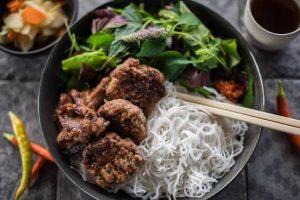
Vietnam is considered a relatively affordable country, but much depends on the city and lifestyle. If you cook at home, food expenses can be around $100-$200 per month, and lunch at local cafes is usually significantly cheaper than at European restaurants 🍜
Transportation also remains inexpensive: many people rent bikes, and gas is relatively inexpensive. For communication and internet, a cheap mobile plan and home internet are usually sufficient, and connection quality in large cities is generally good 📶
Healthcare is a separate expense. Insurance helps mitigate risks, and private clinics are more convenient for foreigners, although they are more expensive than local medical facilities. 🏥
🛵 Transport
A motorbike is the most convenient way to get around Vietnam's cities. You can rent one with just your passport and a deposit, and if you're planning on staying for a long time, many people simply buy their own 🏍️
For city trips, it's convenient to use taxis through Grab, Be, or Xanh SM. Grab remains one of the most popular services in Vietnam, used by both tourists and locals 🚕
You can travel between cities by train, bus, and domestic flight. The railway line connects the north and south of the country, but buses and planes are often more convenient in terms of travel times and routes 🚆✈️
🩺 Medicine and health
In major cities, there are international clinics geared toward expats, such as Family Medical Practice and SOS Clinic. These are a convenient option if clear service and more familiar standards are important 🌟
There are also local hospitals: they're cheaper, but there may be a language barrier, and the service is sometimes less convenient for foreigners. Many medications are available over-the-counter at pharmacies, but it's still worth checking expiration dates and the manufacturer when purchasing. 💊
For long-term stays, it's helpful to have international insurance: it facilitates access to private healthcare and helps avoid major expenses in unexpected situations 🛡️
🛒 Everyday life and communications
For everyday shopping, supermarkets and local markets are convenient. Many cities have large shopping centers and hypermarkets where you can buy groceries, household goods, appliances, and small household items 🛍️
People usually buy a SIM card immediately upon arrival: Viettel, Mobifone, and Vinaphone are popular. This is usually sufficient for internet and phone service, and packages are inexpensive 📱
You can open a bank account if you have a passport, visa or TRC, a local number, and sometimes proof of address. Popular banks include Vietcombank and Techcombank 🏦
💼 Work and business
In Vietnam, service industry specialists, language teachers, guides, cooks, massage therapists, administrators, and hotel staff are in demand. However, official employment requires documents, proof of qualifications, and legal status.
If you're planning to open a business, it's worth researching local legislation in advance, as it can be challenging for foreigners. The Vietnamese market is attractive for restaurants, tourism, and technology, but almost always requires careful preparation and due diligence 🚀
🌺 Culture and adaptation
In Vietnam, it's important to quickly embrace local customs: respect for elders, careful behavior in temples, a relaxed attitude toward everyday differences, and a willingness to accept that "OK" doesn't always mean complete understanding.
Language makes life a lot easier, so it's worth learning at least basic phrases. Even a few words in Vietnamese make communication easier and help you solve everyday problems without unnecessary stress 😊
Local communities—Telegram chats, Facebook groups, and interest clubs—help you quickly settle in, find housing, a doctor, a professional, or simply a useful contact. But it's important not to overload yourself with information: it's better to choose a few reliable sources than to drown in endless chats 🌐
✅ Tips before moving
Prepare your documents in advance, especially your visa and insurance. Find temporary housing for the first few days, but it's best to sign the final contract only after viewing it in person.
Prepare a list of emergency contacts and useful apps in advance. In Vietnam, this is especially important at the start, when you don't have any familiar landmarks and everything new requires more attention 📲
Moving to Vietnam is easier for those who arrive not with a whim, but with a clear plan: they have some cash, an understanding of housing, basic visa information, and a willingness to embrace a new rhythm of life.