The Khanh Hoa Museum (Bảo tàng tỉnh Khánh Hòa) is a historical and cultural museum in the heart of Nha Trang, dedicated to the history, culture, archaeology, and natural heritage of Khanh Hoa. It is one of the city's most interesting attractions for travelers who want to explore the region beyond the typical beach and resort itineraries.
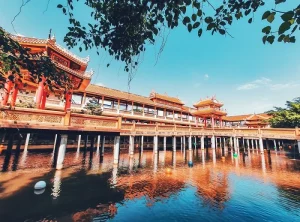
The museum's main site is located at 16 Trần Phú , in a historic building with distinctive French architectural features. The building, constructed at the beginning of the 20th century, is of considerable historical interest in its own right.
The museum was founded in 1979 and was originally known as the Phu Khanh Provincial Museum. Over the decades, its collection has expanded significantly, and today it houses thousands of original exhibits and historical materials.
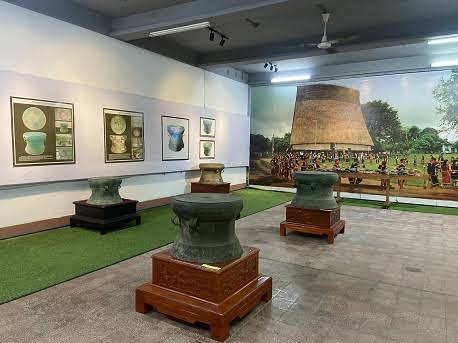
One of the museum's key features is its strong focus on archaeology . The exhibits feature items related to ancient settlements in what is now Khanh Hoa: stone tools, ceramics, jewelry, and other finds that help us understand the life of the region's people in the distant past.
The cultural heritage of the Cham people is of particular importance . Khanh Hoa is one of the regions of Vietnam where Cham culture has left a particularly noticeable mark. The museum explores religious traditions, symbolism, sculpture, and other aspects of Cham heritage.
The museum's exhibits allow visitors to explore the connection between archaeological finds and the region's surviving architectural monuments. This is especially interesting for tourists who have already visited Po Nagar Cham Towers and want to better understand the history and culture of the complex's creators.
Much of the exhibition is devoted not only to antiquity but also to more recent historical periods. It features documents, photographs, everyday objects, and materials documenting the development of the region and the city of Nha Trang.
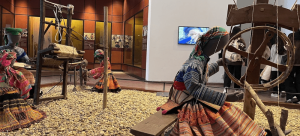
Particular attention is paid to the traditional life of the local population . Exhibits describe the daily life, crafts, agriculture, fishing, and other activities that have been part of the lives of the residents of the Khanh Hoa coast for generations.
The museum also helps us understand how closely the province's history is tied to the sea and its islands . Nha Trang historically developed as a coastal city, so maritime culture and the lives of fishing communities occupy a prominent place in the regional heritage.
The museum's contemporary exhibition continues to evolve. In 2026, the museum hosted thematic exhibitions dedicated to Khanh Hoa's cultural heritage, maritime culture, regional traditions, and other topics.
One of the Khanh Hoa Museum's advantages is its location. After visiting the museum, you can continue your stroll through central Nha Trang, head to the waterfront, visit markets, cafes, or other city attractions.
The museum is particularly well-suited for a relaxing cultural itinerary. Unlike island excursions and water activities, you can spend time here without being tied to weather or sea conditions.
A full tour of the main exhibition should take approximately 1–2 hours . This is enough time to explore the region's history, archaeological collections, and cultural materials without feeling rushed.