How to Avoid Scams in Vietnam: Tips for Tourists and Expats
From small-time street scams to complex schemes, here's how to avoid losing money in Nha Trang, Da Nang, Hanoi, and Ho Chi Minh City.
Why is Vietnam attractive to scammers?
Vietnam is a country with stunning beaches, bustling markets, and aromatic street food. However, like any popular tourist destination, it has its pitfalls. Scammers love to take advantage of travelers' complacency and inattention. Be especially cautious in coastal cities (such as Nha Trang and Da Nang), where theft of motorcycles, phones, and helmets has become commonplace. In this article, we'll explore the most common scams and share practical tips for a safe vacation.
Read also: All about online fraud and scams in Asia
🛵 Airport and train stations
🚕 Unlicensed taxi drivers at the airport
Scheme: Unlicensed drivers stand guard at the exits of Tan Son Nhat (Ho Chi Minh City) and Noi Bai (Hanoi) airports. They offer attractive prices verbally, take you on long routes, and then demand five to ten times more on arrival—the meter is broken.
How to avoid: Use only official Mai Linh or Vinasun counters inside the terminal—they're located behind the baggage claim exit. Even more reliable is to order a Grab directly from the arrivals hall, without going outside.
📱 "Juicer": a charger with a surprise
Scheme: Compromised public USB ports at airports, cafes, and shopping malls are being used to steal data from connected devices or secretly install malware. In March 2025, the TSA officially warned travelers about this threat.
How to avoid: Never charge your phone through a public USB port—only through a power outlet with your own charger or through a personal power bank.
🛵 Theft and street robberies
🏍️ Motorcycle and helmet theft
Diagram: Motorcycles are the main mode of transport in Vietnam, and the number of thefts (especially in Nha Trang) is rapidly increasing. Thieves steal poorly parked bikes for spare parts. Helmets are even more common—they're simply removed from the handlebars. By 2025, this had become so common that locals joked, "A helmet is more valuable than a bike."
How to avoid: Park your motorcycle only in guarded parking areas (costs around 10,000 VND per day) and use a U-lock. Always take your helmet with you or securely fasten it to your bike.
📱 Phone break-ins and beach thefts
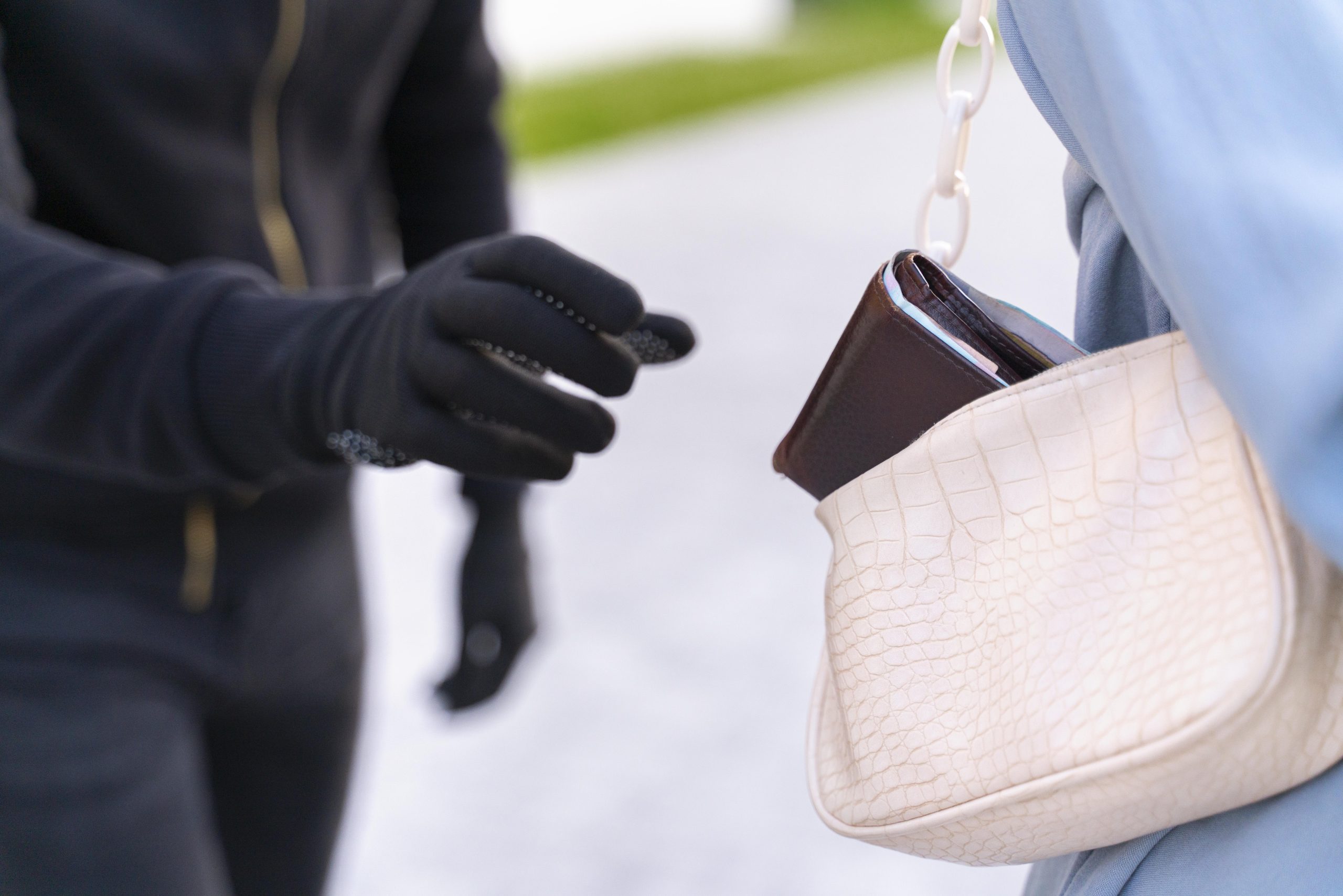
Diagram: In Nha Trang and Ho Chi Minh City, motorcyclists often snatch phones and wallets from the hands of tourists walking along the road. On the beaches, thieves take advantage of vacationers leaving their belongings unattended while swimming.
How to avoid: Keep your phone in a front pocket or bag with a secure zipper. If you're filming, move away from traffic. Minimize your belongings at the beach, leaving valuables in the hotel safe or using waterproof swim covers.
💡 Insight: In Nha Trang, there have been frequent cases of thieves working in tandem with locals. One person distracts a tourist with conversation or offers to take a photo, while the other discreetly takes their belongings. Be wary of excessive attention.
🚖 Transportation and special money confusion
🚕 Fake taxis and long routes
Scheme: In Ho Chi Minh City, Hanoi, and Da Nang, there are fake taxis with "speedy" meters. Drivers may also deliberately take tourists on long, circular routes to inflate the price. At airports, taxi drivers sometimes lie about your hotel being "closed" in order to take you to another one and earn a commission.
How to avoid: Book transportation through official apps like Grab, Gojek, or Be. When taking a regular taxi, always follow the route using Google Maps.
💵 Banknote substitution (Color trap)
Diagram: Vietnamese plastic money (dong) has many zeros and similar colors, which is often exploited by scammers. VND 500,000 and VND 20,000 bills have a similar blue tint. VND 100,000 and VND 10,000 bills are greenish. Vendors or taxi drivers will discreetly swap them for change while you're distracted. Also, be careful not to take a taxi off the street, as there are many scammers. They'll try to trick you and, under the pretext of replacing your money, discreetly drop large bills at your feet and wave the money around.
How to avoid: Always carefully count the zeros on banknotes, count your change yourself, and try to pay in small bills to avoid being scammed.
🍜 Standard patterns: food, photos, dating
🥜 Paid "free" treats
In Hanoi and Nha Trang , restaurants might bring you packaged wet wipes or a bowl of peanuts. Tourists think this is a compliment, but then they're added to the bill (wipes typically cost between 5,000 and 15,000 VND each).
How to avoid: Check the price of everything on the table and refuse anything you don't need immediately. If prices aren't listed on the menu, that's a red flag; it's best to choose another establishment.
📸 Photoshoots with a Trick
Scheme: In Hanoi, street vendors with fruit poles offer tourists the chance to try on a traditional hat (non la) and take a photo. Immediately after the photo, they aggressively demand between 100,000 and 500,000 VND for the "service."
How to avoid: Firmly and politely decline any offers to take a photo unless you have agreed on a price in advance.
💳 Double-charged and imposed parking fees
Scheme: Hotels and agencies may swipe your card twice under the guise of a "technical error" or secretly charge a hidden fee (up to 10%). Markets and beaches may illegally charge inflated fees for free parking without issuing a receipt.
How to avoid: Keep your card in sight and check your bank's SMS notifications immediately after payment. If you're asked to pay for questionable parking, park at reputable hotels or at official parking lots with signs.
💡 Insight: In Da Nang, there have been cases of tourists being slipped mild sedatives into their drinks at bars to make them more willing to spend. Always keep an eye on your glass and don't accept drinks from strangers.
💎 "Help me sell my jewelry"
The scheme: A "local tourist" approaches you and asks for help selling a "family heirloom" at a nearby jewelry store—he claims he doesn't speak English. The store turns out to be an accomplice: they convince you the jewelry is genuine and offer a good deal, only to end up selling you a cheap knockoff at an inflated "market" price.
How to avoid: Stick to a simple rule: never, under any circumstances, help strangers with money or trade transactions.
🍺 "Friend at the Bar"
The scheme: A woman "accidentally" meets someone on the street or through Tinder and invites them to "her" bar. The bill for standard drinks ranges from 2 to 5 million dong. If they refuse to pay, "security guards" appear. The scheme is active on Bui Vien Street in Ho Chi Minh City and near Hoan Kiem Lake in Hanoi.
How to avoid: Never enter a bar at the invitation of strangers on the street. If you want to visit a bar, choose it yourself – based on the map and reviews.
💡 Insight: In December 2023, staff at the Vixens bar on Pasteur Street in Ho Chi Minh City forcibly detained a foreign tourist and forced him to pay 2 million dong. The incident was documented and reported to the police.
🏍️ Bike rentals and gas station scams
🛠️ Bike rental scams
Scheme: Renters in Mui Ne or Nha Trang hand over a bike with existing damage and then demand expensive repairs upon return. In rare cases, rental employees may even "steal" the bike themselves using a duplicate key.
How to avoid: Before renting, carefully photograph and videotape the motorcycle from all sides in the owner's presence. Use your own parking lock.
⛽ Resetting the meter at a gas station
Scheme: The gas station attendant doesn't reset the meter after the previous customer. To avoid you noticing, they might approach you with a cheerful shout of "My friend!" and start chatting. You end up paying for someone else's gas.
How to avoid it: Keep an eye on the gas pump until it shows zeros. Remember: a full tank of a standard scooter in Vietnam costs around 80,000 dong.
👮 Online "Kidnapping": Fake Police Officers
The scheme: A "detective" or "Interpol officer" calls you, accusing you of involvement in a drug or money laundering case. They order you to immediately isolate yourself in your hotel room, not leave, and not speak to anyone. They then send you "official documents" and demand that you transfer money to "clear their name."
How to avoid: Real police never conduct interrogations over the phone or video or demand immediate payment. If you receive any such calls, hang up immediately and report them to your local police station.
🏠 Extortion via Airbnb
The Scheme: After you check out, the host sends a video of the allegedly damaged property (which was prepared in advance) and threatens to file a police report unless you pay "compensation" in cash. In Nha Trang, there have been cases of hosts demanding additional payments for "cleaning," "water," and "security" without warning you when you booked .
How to avoid it: Immediately upon moving in, take a detailed video of all rooms, furniture, and appliances and send it to the landlord via instant messenger—this creates irrefutable, time-stamped evidence .
🌐 Digital and other circuits
💻 Fake websites and fake tours
The scheme: Fraudsters create clones of well-known tour operators (for example, "Lotus Tours" instead of the original "Lotus Tour") or imitate airline websites. In 2023, a network selling non-existent tours via WhatsApp, impersonating fake tour guides, was uncovered in Hanoi.
How to avoid: Book services only through trusted global review aggregators. Check the URL in the address bar and whether the company has a physical office.
🛡️ Practical Tips: Safety Checklist
To minimize risks and enjoy your vacation, follow these rules:
Negotiate on the spot: Always discuss and agree on the final price for services (taxi, rickshaws, street food) before receiving them.
Use technology: Grab (for taxis), Google Maps (for routes), and XE Currency (for exchange rates) are your best friends in Vietnam.
Learn to say "No": Politely but firmly refusing unnecessary favors or intrusive attention is your main weapon.
Keep digital copies: Be sure to upload scans of your passport, visa, and insurance to cloud storage or email them to yourself. This will save you a ton of time in the event of theft.
Stand your ground: Most street scammers prefer not to engage with the police and will back down if a tourist confidently demands a refund or a transaction cancellation.
Conclusion
Vietnam is a country where every corner promises adventure, but scammers can ruin your experience if you're unprepared. Knowing the scams and a little vigilance will help you avoid any trouble. Vietnam loves to surprise, and may these surprises be pleasant ones—like a perfect bowl of Pho or a stunning sunset on the beach. Travel wisely!