The Imperial Citadel of Thang Long is one of the most significant historical sites in Vietnam. The complex was founded in the 11th century, when Emperor Ly Thai To moved the capital to Thang Long—the ancient name of modern-day Hanoi. Since then, the citadel has served as the country's main political center.
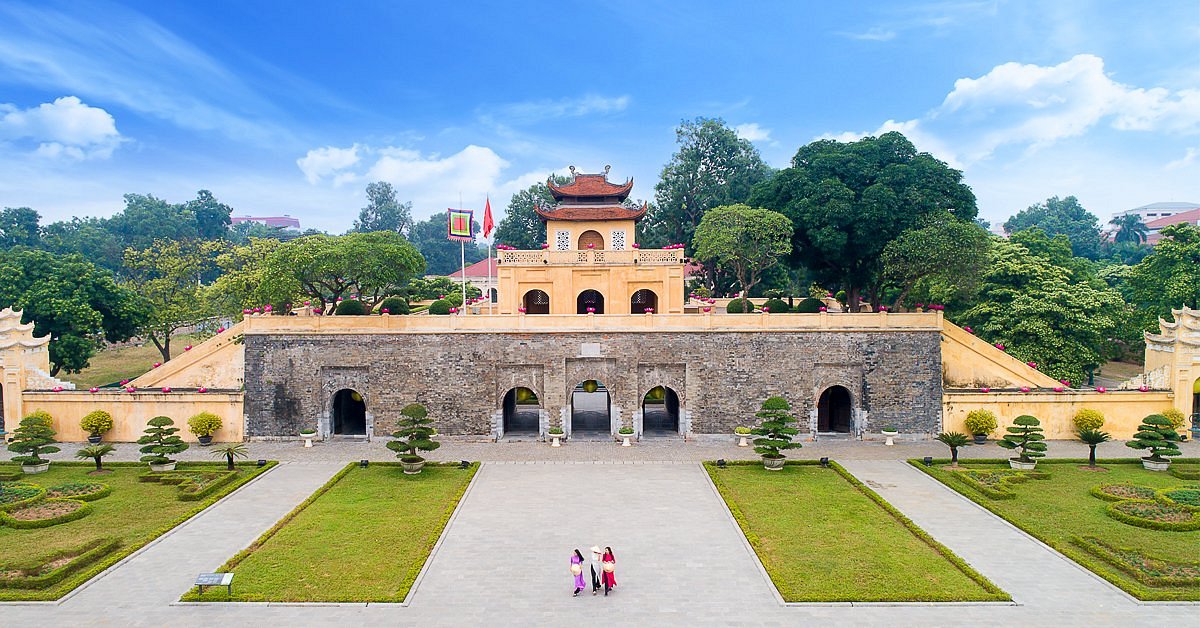
Over the centuries, the area was repeatedly rebuilt by various dynasties. Despite wars and destruction, many elements of the complex have survived to this day. Today, visitors can see ancient gates, fortifications, palace remains, and archaeological sites.
Of particular value are the excavations, which uncovered the foundations of ancient buildings, ceramics, household items, and artifacts from various eras. These findings help researchers better understand the development of Vietnamese statehood.
The complex combines elements of military architecture, an imperial residence, and an administrative center. This makes it of interest to both history buffs and tourists.
Today, the Imperial Citadel of Thang Long is considered one of the main historical symbols of Hanoi and a must-see for anyone who wants to gain a deeper understanding of Vietnam's past.